


 (0)
How to Choose Strength Training Equipment for a Commercial Gym
Selecting strength training equipment for a commercial gym involves more than filling the floor with popular machines. Each piece of equipment needs to serve a clear training purpose, fit the available space, and suit the people who will use it. A gym designed for general fitness members, for example, may require a different equipment mix from a strength-focused training facility or a boutique fitness studio.
The purchasing decision also affects daily operations. Equipment layout, resistance adjustment, movement options, maintenance requirements, and future expansion all influence how well a strength training area performs over time. A carefully planned selection can provide broader exercise coverage without filling the gym with machines that serve nearly identical purposes.
For gym owners, fitness center operators, and commercial equipment buyers, the key is to assess the facility as a whole before choosing individual machines. The following considerations offer a practical approach to selecting strength training equipment for commercial gyms, from identifying training needs to building a balanced equipment package.
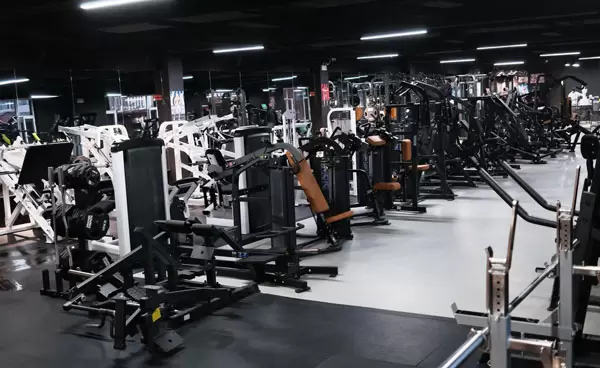
Identify Your Gym's Training Needs
The first step is to understand who will use the gym and what types of strength training they expect to perform. Equipment selection should reflect the facility's membership profile, training programs, and business model rather than follow a standard equipment list.
A commercial gym serving a broad membership base usually needs equipment for different experience levels. New members may prefer machines with straightforward operating procedures and clearly defined movement paths. More experienced users may expect a wider range of resistance options and equipment for targeted strength development. A strength-focused facility, meanwhile, may place greater emphasis on plate loaded machines and heavier resistance training.
The facility's size and purpose also matter. A hotel gym or residential fitness room may have limited floor space and require a compact selection of essential machines. A large fitness center may have enough room to establish separate areas for upper-body, lower-body, and functional training.
Before comparing individual products, consider these questions:
Who are the primary users? Consider general fitness members, experienced strength trainees, personal training clients, or a combination of different groups.
Which training movements need to be covered? Review pressing, pulling, leg training, glute training, and other exercises included in the facility's programs.
How much space is available? Account for the installation footprint, operating clearance, circulation paths, and any planned expansion.
What is the purchasing priority? Determine whether the project requires essential equipment for a new gym, an upgrade to an existing strength area, or a more comprehensive equipment package.
These considerations help define the requirements for commercial strength equipment before procurement begins. They also prevent a common purchasing mistake: selecting machines based on appearance or popularity without considering whether they contribute to the gym's actual training program.
Choose the Right Types of Strength Training Equipment
Once the facility's training requirements are clear, the next step is to identify the equipment categories that can meet them. Different machine designs serve different purposes, and a balanced strength training area often combines several types rather than relying on one category.
Plate Loaded Strength Equipment
Plate loaded strength equipment uses weight plates to provide resistance. Users add or remove plates according to their training requirements, making this category relevant to gyms that want to offer a range of resistance levels for strength-focused exercises.
These machines are commonly considered for movements involving the legs, chest, shoulders, back, and glutes. Their specific training applications depend on the machine's movement design. For example, a hack squat machine and a thigh press machine both support lower-body training, but their movement patterns and exercise positions are different. Including both may expand exercise options rather than simply duplicate the same function.
Xiaoke's BH1000 Plate Loaded Series provides a selection of plate loaded strength machines for commercial training environments. Its listed equipment includes the 35° Hack Squat, 45° Thigh Press, Rhino Squat Trainer, and several upper-body machines. These products can be considered when planning dedicated strength training stations.
When evaluating commercial plate loaded machines, buyers should look beyond the category name. The movement path, loading position, machine dimensions, user positioning, and available adjustment options all affect how a product fits into the gym's training program.
Plate loaded machines can be a suitable choice for facilities with a defined strength training area. However, the equipment package should still account for the practical requirements of handling and storing weight plates. Sufficient access around each machine is important, particularly in busy training environments where multiple members may use the area at the same time.
Selectorized Strength Equipment
Selectorized strength equipment uses a weight stack and a selector pin to adjust resistance. This arrangement allows users to change the selected weight without manually loading individual plates. It can make transitions between exercises and resistance levels more straightforward in facilities with varied membership groups.
For commercial gyms, selectorized machines are often considered for upper-body and lower-body training stations. Chest presses, shoulder presses, rows, and other machine-based exercises can help establish a structured strength training area. The actual exercise coverage depends on the products selected, so buyers should review each machine's movement and intended application.
Xiaoke offers two relevant product categories: the BH2000 Selectorized Iso-Lateral Series and the BH3000 Selectorized Strength Series. Both belong to the selectorized equipment range, but the BH2000 series has an Iso-Lateral positioning in its category name. Buyers should distinguish this movement-design characteristic from the resistance adjustment method. Selectorized describes how resistance is selected, while Iso-Lateral refers to the movement arrangement of the equipment.
For example, the BH2000 category includes products such as shoulder press, incline press, row, and chest press machines. These options can contribute to a gym's upper-body training coverage. The BH3000 series provides another selectorized equipment category to consider when planning the overall machine selection.
When comparing selectorized strength machines, pay attention to the weight stack configuration, adjustment accessibility, user positioning, and the range of exercises covered. A machine should fit the intended training program and be easy for the facility's members to operate. Buyers should also compare the functions of different products to avoid purchasing several machines that offer very similar training applications.
Bodybuilding Training Equipment
Some commercial gyms place particular emphasis on bodybuilding and targeted muscle training. In these facilities, equipment selection may focus on pressing and pushing movements, along with machines that support specific upper-body or lower-body exercises.
Xiaoke's BM Bodybuilding Training Series is a relevant category for this type of training area. When considering bodybuilding training equipment, buyers should review the movement supported by each individual machine and determine whether it fills a gap in the existing equipment selection.
The purpose is not simply to increase the number of machines. A useful bodybuilding area should offer meaningful exercise variety while maintaining a clear distinction between training stations. For example, two machines may both involve pressing movements but differ in their movement direction, user position, or targeted training application. These differences should be evaluated before deciding whether both are necessary.
For gyms serving members with specific muscle-building goals, a well-planned selection of strength training machines can provide more focused exercise options. The final choice should still be based on actual product functions rather than assumptions drawn from the series name alone.
Multi-Functional Rigs
Multi-Functional Rigs can be considered when a gym wants to provide a training station that supports different exercise arrangements. Unlike a machine designed around one primary movement, a rig's training applications depend on its configuration and available attachments.
For a commercial facility, the main consideration is whether the rig complements the existing equipment layout. It may be used to establish a functional training area or provide additional exercise options without assigning a separate machine to every movement. However, buyers should verify the actual configuration, attachment options, and installation requirements of the specific rig before making a purchasing decision.
The available training functions should be assessed against the gym's programs and users. A rig should not be selected simply because it is described as multifunctional. Its value depends on the exercises it can support, how many users can train safely within the designated area, and whether its configuration fits the facility's needs.
Evaluate Equipment Specifications and Design
After narrowing down the equipment categories, buyers need to compare individual products in greater detail. Two machines designed for similar exercises may differ in dimensions, construction, adjustment options, and user positioning. These details can affect installation, daily use, and long-term equipment management.
Product specifications provide an important starting point, but they should be interpreted in relation to the gym's requirements. A machine with a large footprint may be appropriate for a spacious strength training area but unsuitable for a compact fitness studio. Likewise, a machine with several adjustment points may offer useful flexibility, provided those adjustments are practical for the intended users.
Several factors deserve attention during product evaluation:
Dimensions and product weight: Check the machine's overall dimensions, installation footprint, and weight to determine whether the facility can accommodate it.
Movement and adjustment design: Review the exercise path, seat or pad adjustment options, handles, and user positioning where applicable.
Resistance system: Confirm whether the machine uses plate loading or a selectorized weight stack, and assess whether the adjustment method suits the gym's operating requirements.
Installation and maintenance: Clarify assembly requirements, maintenance access, replacement part availability, and the supplier's after-sales support arrangements.
The quality of professional fitness equipment cannot be judged by appearance alone. Buyers should request relevant product information and, where possible, inspect the machine or review detailed product documentation. Questions about materials, structural design, component quality, and testing should be supported by specifications or supplier documentation rather than assumptions.
It is also important to compare equipment on consistent terms. A product's weight, dimensions, and resistance configuration are useful reference points, but they do not independently establish its overall suitability. The machine's design should match the intended exercise, user group, and expected operating environment.
For larger purchasing projects, a supplier's ability to provide accurate product information and coordinate equipment requirements can also influence the procurement process. Clear communication before ordering helps reduce misunderstandings about product configurations, installation space, and delivery arrangements.
Plan Your Gym Space and Equipment Layout
Even a suitable machine can become a poor purchasing choice if it does not fit the available floor plan. Space planning should take place before finalizing the equipment list, particularly when several large machines will be installed in the same training area.
Start with the actual installation dimensions of each product. The footprint shown in a product specification is only part of the space requirement. Members also need room to enter and exit the machine, adjust the equipment, perform the exercise, and move between training stations. Plate loaded machines may require additional access for loading and unloading weight plates.
A practical layout should account for:
Machine dimensions and installation footprint: Use confirmed product dimensions when planning the position of each machine.
Operating clearance: Allow sufficient space for the machine's moving parts and for members to use it without interfering with nearby stations.
Storage and access: Consider where weight plates and other training accessories will be stored and how users will access them.
Circulation paths: Keep walking routes clear so members and staff can move through the strength training area.
The right layout depends on the facility's size and training priorities. A buyer researching the best gym equipment for a small gym should prioritize exercise coverage and efficient use of floor space. Selecting several machines with overlapping functions may leave insufficient room for other essential training stations.
A large fitness center has more flexibility, but additional space does not automatically justify purchasing more equipment. The layout should still reflect expected member use, traffic patterns, and the relationship between different training areas. For a fitness studio or hotel gym, a smaller but carefully selected equipment package may be more appropriate than a full-scale commercial strength area.
Before placing an order, compare the proposed layout with the actual product dimensions and installation requirements. If the equipment supplier can provide drawings or layout assistance, these materials can help identify potential space conflicts before delivery.
Build a Balanced Strength Equipment Package
A commercial gym equipment package should provide sufficient exercise coverage without unnecessary duplication. Rather than selecting machines one by one without an overall plan, buyers can organize the equipment list around major training areas.
The following framework can help structure an initial gym opening equipment list:
| Training Area | Equipment Examples | Selection Consideration |
|---|---|---|
| Chest and Shoulders | Chest Press, Shoulder Press | Cover different pressing movements and user positions |
| Back | Seated Row, Lat Pulldown | Include suitable pulling exercises |
| Legs and Glutes | Hack Squat, Thigh Press, Hip-focused machines | Consider lower-body and glute training requirements |
| Functional Training | Multi-Functional Rigs | Verify the available configurations and exercise options |
This framework is a starting point, not a fixed purchasing specification. The final package should reflect the facility's size, membership profile, training programs, and budget.
Review Exercise Coverage
The first consideration is whether the equipment package covers the main movements required by the gym's training program. A selection dominated by chest and shoulder machines, for example, may leave insufficient options for back or lower-body training.
Review the intended exercises before comparing individual models. This makes it easier to identify missing training areas and distinguish between machines that offer different functions and those that largely overlap. For a new facility, this step is particularly useful when answering the question, what equipment do I need to open a gym?
Balance Equipment Variety and Quantity
A larger machine count does not necessarily create a better training environment. Several machines with similar movement patterns may occupy valuable space without adding much exercise variety. On the other hand, relying on too few machines can limit training options and create congestion during busy periods.
The equipment mix should provide a reasonable balance between focused strength machines, plate loaded equipment, selectorized machines, and other training stations that fit the facility's programs. The right combination will vary by project. A strength-focused gym may allocate more space to plate loaded equipment, while a general commercial fitness center may need a broader selection of selectorized machines.
Allocate the Budget According to Priorities
Budget planning should consider more than the purchase price of each machine. Installation, shipping, maintenance, replacement parts, and future equipment additions may also affect the total project cost.
For a full commercial gym equipment package, it can be useful to divide the purchasing plan into essential equipment, additional training options, and future expansion. This approach allows the facility to establish its core strength training area first, then add machines as membership demand and operating needs become clearer.
Buyers should also compare supplier quotations on a consistent basis. Product configuration, included accessories, delivery terms, warranty coverage, and after-sales arrangements should be clarified before comparing prices. A lower initial quotation may not represent the best overall value if important requirements are excluded.
A Practical Approach to Commercial Strength Equipment Selection
Choosing the right commercial gym strength equipment requires a clear understanding of the facility's users, training priorities, available space, and purchasing budget. Plate loaded, selectorized, bodybuilding, and multifunctional equipment each have a role, but their value depends on how well they contribute to the overall training plan.
For gym owners and equipment buyers, a structured selection process is more reliable than purchasing machines based on appearance or quantity. With careful product evaluation and space planning, a balanced strength training area can support different training needs while making better use of the facility's investment.