

 (0)
Selectorized vs. Plate Loaded Machines: Which Is Better for a Commercial Gym?
When planning the strength training area of a commercial gym, equipment selection involves more than choosing machines for different muscle groups. The way resistance is adjusted also affects how members use the equipment, how quickly they can change loads, and how the gym manages its training floor. Two common options are selectorized machines and plate loaded machines.
Both types have a place in commercial strength training, but they serve different operational needs. Selectorized equipment uses a pin to select a weight from a built-in stack, while plate loaded equipment requires users to add or remove weight plates. The better choice depends on the gym's membership, training programs, available space, and equipment mix. Understanding these differences helps gym owners make purchasing decisions based on actual use rather than treating one loading system as universally better.
What Is a Selectorized Machine?
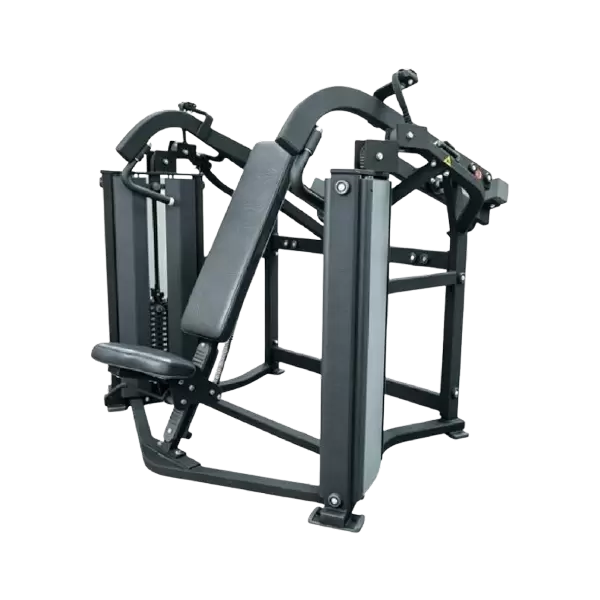
A selectorized machine uses a built-in weight stack to provide resistance. The user adjusts the load by inserting a selector pin into the desired position on the stack. The selected plates move with the machine's mechanism during the exercise, so there is no need to load separate weight plates before starting a set.
This arrangement makes weight changes relatively straightforward. A member can select a suitable resistance, complete a set, and adjust the load for the next set without leaving the machine to find additional plates. In a commercial gym where members with different training backgrounds share equipment, this can make the transition between users more convenient.
A weight stack selectorized machine is commonly designed around a specific movement, such as a chest press, shoulder press, or row. The machine's seat, handles, pads, and movement path determine how the exercise is performed. These details vary by model, so buyers should assess the intended movement and adjustment options rather than assuming every selectorized machine offers the same training experience.
For gym operators, selectorized strength equipment can be useful when the facility needs clearly organized stations for different exercises. The built-in weight stack keeps the resistance system with the machine, reducing the need for users to collect plates for each session. However, the gym still needs to consider the machine's footprint, stack range, adjustment points, and maintenance requirements before purchasing.
What Is a Plate Loaded Machine?
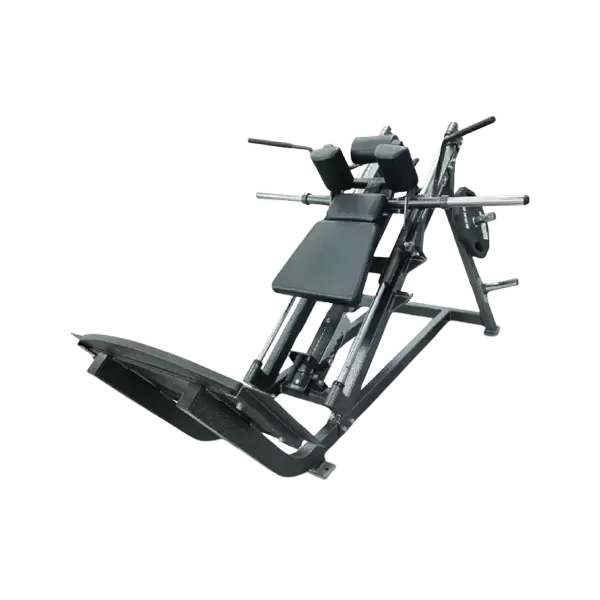
A plate loaded machine uses weight plates as its resistance source. Users place plates onto designated loading sleeves or pegs, and the machine transfers the resistance through its mechanical structure during the exercise. To increase or decrease the load, users add or remove plates according to their training requirements.
Unlike a selectorized machine, a plate loaded model does not rely on a built-in weight stack with a selector pin. The user manages the resistance by changing the plates on the machine. This gives members direct control over the amount of external weight being used, although the available increments depend on the plates and loading arrangement at the facility.
Plate loaded equipment covers a wide range of exercise applications. Depending on the machine's design, it can be used for movements such as hack squats, thigh presses, chest presses, rows, and other strength exercises. The loading method alone does not determine which muscles a machine trains or how its movement feels. The machine's geometry, lever arrangement, range of motion, and user positioning are also important.
Xiaoke's BH1000 Plate Loaded Series provides examples of this equipment category. Its listed products include the BH1029A 35° Hack Squat and the BH1027 45° Thigh Press Machine, alongside other strength training models. Buyers can review the BH1000 Plate Loaded Series to see the range of equipment offered within the category.
For a commercial facility, plate loaded equipment also introduces a practical management requirement: weight plates need to be available, stored, and returned to their designated areas. This should be considered when planning the layout of a strength training zone.
Selectorized vs. Plate Loaded Machines: Key Differences
The main difference between selectorized and plate loaded machines is how users change resistance. That distinction affects the preparation required before training and the way equipment is organized on the gym floor. It does not, by itself, establish which machine is more effective or more durable.
| Comparison | Selectorized Machines | Plate Loaded Machines |
|---|---|---|
| Resistance adjustment | Select a load using a pin on the weight stack | Add or remove weight plates |
| Before training | Select the required resistance | Load the required plates |
| Changing resistance | Move the selector pin to another position | Change the plates on the loading sleeves |
| Weight increments | Determined by the weight stack and its design | Determined by the available plates and loading arrangement |
| Equipment management | Requires inspection and maintenance of the weight stack and related components | Requires plate storage, organization, and inspection of loading components |
| Exercise applications | Depend on the machine's movement design | Depend on the machine's movement design |
Weight Adjustment and Training Preparation
Selectorized machines generally require fewer steps when changing resistance. The user selects a different position on the weight stack rather than handling separate plates. This can be convenient in facilities where members frequently alternate between exercises or where several users with different strength levels share the same station.
Plate loaded machines require users to select suitable plates and load them onto the machine. This takes additional preparation, particularly when the required resistance changes between sets or users. The process is not necessarily a disadvantage: it is simply part of how this equipment is operated. Gym owners should consider whether members are familiar with plate handling and whether the facility has enough plates in the required weight ranges.
The difference becomes more relevant when planning the member experience. A gym that prioritizes quick transitions between stations may value the simpler adjustment process of selectorized equipment. A facility with a dedicated strength training area may be comfortable incorporating plate loaded machines and organizing the surrounding plate storage accordingly.
Floor Layout and Equipment Management
The space required by a machine cannot be judged from its loading system alone. Two machines with different resistance systems may have very different footprints, while two models using the same loading method may also vary considerably in size. Buyers should compare the dimensions of individual models and allow enough clearance for members to enter, adjust, and use them safely.
The surrounding storage requirements are also different. Plate loaded areas need an organized place for weight plates, with enough access for users to load and unload equipment. Poor plate organization can make a training area harder to manage and may leave plates in walkways or around machines.
Selectorized machines keep their weight stacks within the equipment structure, but they still need suitable operating clearance and routine inspection. Cables, pulleys, selector pins, and other moving components should be included in the facility's maintenance plan. In either case, equipment management should be considered before the final floor plan is approved.
Which Type Is Better for a Commercial Gym?
There is no single answer for every commercial gym. A neighborhood fitness club, a strength-focused training facility, and a large multi-purpose gym may have different priorities. The most useful approach is to match the loading system to the members who will use the equipment and the role each machine will play in the training area.
For Gyms Serving a Wide Range of Members
Facilities with a broad membership often need equipment that accommodates different training backgrounds. Some members may be new to resistance training, while others may already have established routines. Selectorized machines can be practical in this setting because users can change resistance through a selector pin without handling separate weight plates.
This does not mean every selectorized machine is automatically suitable for every beginner. Seat adjustments, starting positions, handle reach, movement range, and instructions still matter. Buyers should check whether the equipment can be adjusted to fit the range of users expected at the facility.
A gym serving varied member groups may use selectorized stations to cover commonly requested exercises, such as chest presses, shoulder presses, and rows. The objective is to provide accessible exercise options while ensuring that the selected machines match the facility's training program.
For Strength-Focused Training Areas
A gym that places greater emphasis on strength training may want a wider selection of plate loaded equipment. These machines allow users to adjust resistance by changing the plates, and different machine designs can support distinct lower-body and upper-body exercises.
For example, a hack squat and a thigh press serve different exercise purposes even though both belong to the plate loaded category. The purchasing decision should therefore start with the training movements the gym wants to provide. Buying several machines simply because they share the same loading system may leave gaps in exercise coverage.
When evaluating commercial plate loaded machines, operators should review the loading arrangement, machine dimensions, user positioning, and the amount of weight plate storage needed nearby. It is also worth checking whether the facility's existing plates are compatible with the equipment's loading sleeves. These practical details can affect daily use more than broad claims about which loading system is better for strength development.
For Gyms Building a Balanced Equipment Mix
Many commercial gyms do not need to choose exclusively between selectorized and plate loaded equipment. Combining both types can provide a wider range of training options and allow each machine to serve a clear purpose.
For example, selectorized machines can cover selected upper-body movements where straightforward weight changes are useful. Plate loaded machines can add specific lower-body or upper-body exercises that complement the rest of the strength area. The exact mix should reflect the gym's floor space, membership profile, training offer, and purchasing budget.
Before deciding how many machines of each type to buy, gym operators should review:
Member profile: Consider training experience, expected usage patterns, and the types of workouts members are likely to follow.
Exercise coverage: Check whether the planned equipment provides a useful range of movements without unnecessary duplication.
Floor layout: Account for machine dimensions, operating clearance, plate storage, and access between stations.
Maintenance and management: Consider the inspection needs of weight stacks, cables, loading sleeves, and shared weight plates.
A balanced equipment plan is not necessarily an equal split between the two categories. A facility with a particular training focus may reasonably invest more heavily in one type. What matters is whether the final selection supports the gym's intended services and can be managed effectively.
Selectorized and Plate Loaded Equipment from Xiaoke
Xiaoke's product range includes both loading systems, giving commercial gym buyers options when planning a strength training area. The BH1000 Plate Loaded Series includes models such as the BH1029A 35° Hack Squat, which is listed with dimensions of 2265 × 1615 × 1280 mm and a product weight of 252 kg. Buyers can use the BH1029A 35° Hack Squat product page to review its listed specifications.
For selectorized training, the BH2000 Selectorized Iso-Lateral Series includes the BH2005 Iso-Lateral Shoulder Press, BH2004 Iso-Lateral Incline Press, BH2003 Iso-Lateral Row, and BH2002A Iso-Lateral Chest Press. The BH2005 product description specifies independent movement of both arms and pin-based counterweight adjustment. Its listed dimensions are 1630 × 1565 × 1420 mm, with a product weight of 473 kg. More details are available on the BH2005 Iso-Lateral Shoulder Press product page.
These examples illustrate why buyers should review individual product specifications rather than relying only on category names. Even within the same loading category, machines can differ in exercise purpose, dimensions, and operating design.
Choosing the Right Strength Equipment for Your Gym
Selectorized and plate loaded machines meet different equipment needs. Selectorized models allow resistance changes through a built-in weight stack, while plate loaded models use external weight plates and require users to manage the loading process. Neither system is automatically the better choice for every commercial gym. The decision should reflect the facility's members, exercise coverage, floor layout, and equipment management plan. For many gyms, a carefully selected combination of both types provides a more useful strength training area than relying on one loading system alone.